

_edited.png)
Will New Insulation Lower My Energy Bills?

Whether new insulation will lower your energy bills depends on several factors specific to your home — how much insulation is currently there, where the biggest gaps in your building envelope are, and what your heating and cooling system is working against. For many Ottawa homeowners, adding or upgrading insulation does result in lower energy costs. But the savings vary considerably, and it is worth understanding what drives them before making decisions based on broad promises.
The Honest Answer: It Depends
New insulation reduces heat transfer through the surfaces it is applied to. If your home is losing a significant amount of heat through under-insulated attic areas, basement walls, or rim joists, adding insulation to those areas will reduce that heat loss. The more gap there is between your current insulation level and a properly insulated assembly, the more room there is for meaningful improvement. For context on what modern targets look like, the Ottawa attic insulation R-value guide explains what current best-practice levels look like for this region.
Conversely, if your home is already reasonably well insulated and the main energy losses are through windows, a poorly sealed door, or an aging furnace, new insulation may produce smaller energy savings than you expect.
Where Your Home Is Losing the Most Energy
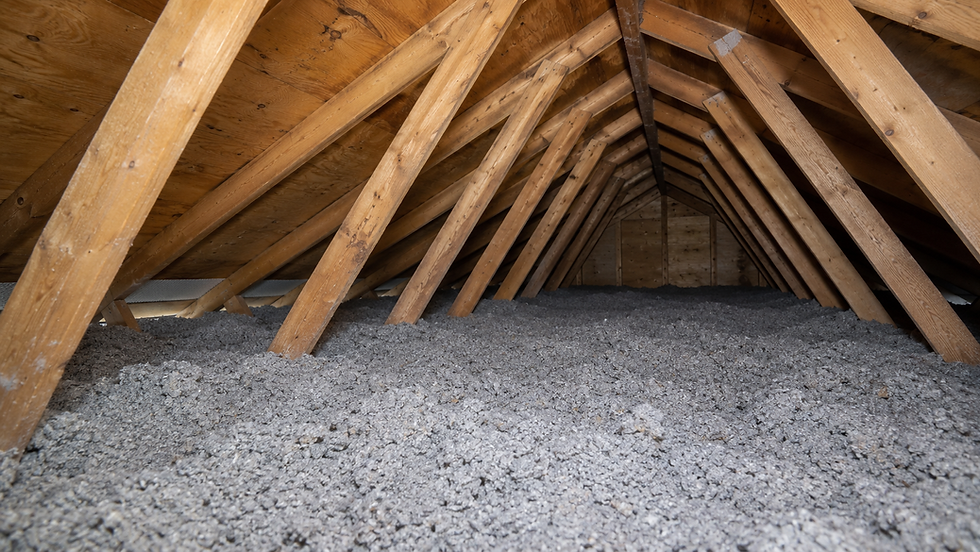
In Ottawa homes, the attic is often one of the highest-impact areas for insulation improvements. Because heat rises, a poorly insulated attic allows warm air to escape upward continuously throughout the heating season. Many older Ottawa homes have attic insulation that falls well short of modern standards. Closing that gap can have a meaningful impact on heating costs during a long Ottawa winter.
Basement rim joists and walls are also common areas of heat loss in Ottawa homes. Rim joists in particular — the framing that sits on top of the foundation wall — are often left uninsulated or poorly insulated, creating a band of energy loss around the entire perimeter of the house.
What Attic Insulation Can Do
A well-executed attic insulation upgrade — including air sealing at penetrations and bringing the total R-value up toward current standards — can reduce the heating load on your home meaningfully over an Ottawa winter. It also helps in summer by slowing the rate at which heat enters the living space from above. If you are considering a blown-in top-up, this is typically one of the most cost-effective attic improvements available.
What Basement Insulation Can Do
Basement insulation improvements tend to show up as improved comfort first — floors above the basement that no longer feel cold in winter, more even temperatures on the first floor, and reduced drafts near exterior walls. Energy savings from basement insulation are real but depend on how cold and uninsulated the space currently is. In homes where the basement is largely uninsulated, improvements can be significant.
What Spray Foam Adds That Other Products Don't
Spray foam insulation addresses air leakage and insulation in one product, which matters for energy performance. A significant amount of heat loss in many homes happens through air leakage — gaps and penetrations where air moves freely rather than being stopped by insulation. Batt insulation slows conductive heat transfer but does not stop air movement. Spray foam does both. In buildings with significant air leakage, spray foam can therefore produce better energy results than a product with a higher nominal R-value that leaves air paths open.
Why Air Sealing Matters As Much As R-Value
Whether you are using spray foam or another insulation type, air sealing at penetrations, transitions, attic hatches, electrical boxes, and plumbing stacks makes a real difference to energy performance. Many homes that receive attic insulation upgrades without air sealing first continue to lose heat through those openings. A good insulation upgrade addresses both the insulation layer and the air barrier — and the energy savings are usually better as a result.
What Realistic Expectations Look Like
Energy savings from insulation upgrades are real but not always dramatic in the short term, and they depend heavily on where the improvements are made. A homeowner who takes an under-insulated attic from a low starting level to near current standards, seals the penetrations, and addresses rim joists can see a meaningful reduction in heating costs. A homeowner who adds insulation to a space that is already reasonably well insulated will see smaller returns.
When Insulation Alone Won't Solve the Problem
If your energy bills are high because of an aging furnace, leaky windows, a disconnected duct, or an HVAC system that is not sized correctly for your home, insulation improvements will not fix those underlying issues. Insulation improves the building envelope — the shell that keeps conditioned air in and outdoor air out. It does not fix mechanical system problems. Understanding the actual sources of your energy use is the most useful first step before deciding where to invest.
A Free Estimate Is the Best Starting Point
The best way to understand what insulation improvements would actually do for your home is to have someone look at what you currently have and where the biggest gaps are. A free estimate gives you a realistic picture of what work makes sense, what it would cost, and what kind of improvement you might expect. Contact Spray-Tech Insulation to book a free estimate for your Ottawa-area home.
Frequently Asked Questions
Will new insulation lower my energy bills?
For most Ottawa homes that have under-insulated attics, basement walls, or rim joists, adding insulation will reduce heating and cooling costs to some degree. The size of the savings depends on how much gap there is between current insulation levels and properly insulated assembly targets, and where the most significant energy losses are currently happening.
How much will I save on energy bills with new insulation?
There is no universal number — savings depend on your home's current insulation levels, the size and construction of the house, local energy prices, and how your heating and cooling equipment runs. Homes with very low starting insulation levels in attics or basements tend to see larger improvements. An energy assessment before and after an upgrade can document the actual performance change.
What type of insulation saves the most energy?
There is no single answer — the most effective insulation for energy savings is the product that best addresses the specific assembly and the specific failure mode in your home. In areas with significant air leakage, a product that combines insulation and air sealing can outperform products with higher nominal R-values that leave air paths open. In areas where air sealing is already handled separately, other products can perform equally well at lower cost.
Is attic insulation worth it in Ottawa?
For most Ottawa homes where the attic is under-insulated relative to current best-practice levels, yes. The attic is often one of the highest-impact areas for improvement because heat rises and any gap between the living space and the outdoors at the top of the building is continuously losing heat throughout Ottawa's long winter.
Do insulation rebates make the investment more worthwhile?
Rebates can meaningfully improve the economics of an insulation upgrade. The insulation rebates available in Ottawa in 2026 through the Home Renovation Savings Program can offset a portion of project costs for eligible upgrades. Whether they make a given project worthwhile depends on the rebate amount relative to the project cost, the audit requirements, and the overall project scope.


Comments