


Garage Insulation Ottawa: What Works, What Doesn’t, and Whether It’s Worth It
A cold garage might not seem like a big issue until the bedroom above it is freezing, the room beside it is drafty, or you are trying to use the garage as a workshop in January. In Ottawa, where winter temperatures can be punishing, garage insulation can make a noticeable difference—but only if you insulate the right areas and set realistic expectations.
The first thing to understand is that an attached garage is usually not part of the home’s conditioned living space. That means the goal is not always to make it as warm as your living room. Often, the goal is to reduce heat loss from the house, make adjacent rooms more comfortable, and improve how the garage performs in extreme weather.
Start by Identifying the Real Problem
Before choosing an insulation product, figure out what you are trying to fix. Is the room above the garage cold? Are the walls shared with the house uncomfortable? Is the garage itself being used as a workshop? Are pipes at risk of freezing? Or are you trying to reduce noise between the garage and the home?
Each problem points to a different solution. Insulating the garage ceiling may help the bedroom above. Air sealing and insulating the shared wall may help the room beside the garage. A full garage insulation package may be appropriate if you want a more usable workspace, but it still will not turn an unheated garage into a fully conditioned living area.
The Garage Ceiling Is Often the Biggest Priority
If there is a bedroom, office, bathroom, or family room above the garage, the ceiling is usually the first place to inspect.
A poorly insulated garage ceiling can make the room above it feel cold from the floor up. Air leakage through gaps around ducts, wiring, framing, and penetrations can make the situation worse. In these cases, the best approach may involve air sealing first, followed by insulation that fits the assembly and provides appropriate thermal performance.
The existing ceiling finish, access, fire separation requirements, and presence of mechanical systems all need to be considered before any work begins. Natural Resources Canada recommends insulating and air sealing the surfaces separating an attached unheated garage from the house.
Shared Walls Deserve Attention Too
The wall between an attached garage and the home is another important location. This wall separates a colder, often fume-prone space from conditioned living space. Proper air sealing is important because it helps reduce drafts and can limit the movement of garage air, odours, and contaminants toward the home.
Insulation can improve the thermal performance of the shared wall, but it should be installed as part of a complete assembly that respects fire separation, electrical details, and code requirements. A contractor should never treat the garage-to-house wall as just another interior partition.
What About the Garage Door?
A garage door can be a major weak point, especially if it is older, uninsulated, or poorly weather-stripped. Replacing or upgrading the door may improve comfort inside the garage, but even an insulated garage door is opened frequently and is not as airtight as a wall.
If the main concern is a cold room above the garage, ceiling insulation and air sealing usually deserve attention before spending all the budget on the door.
Spray Foam, Batts, or Blown-In Insulation?
The right material depends on the location. Closed-cell spray foam can be useful around difficult-to-seal areas, rim joists, shallow cavities, or sections where air sealing and higher R-value per inch are important.
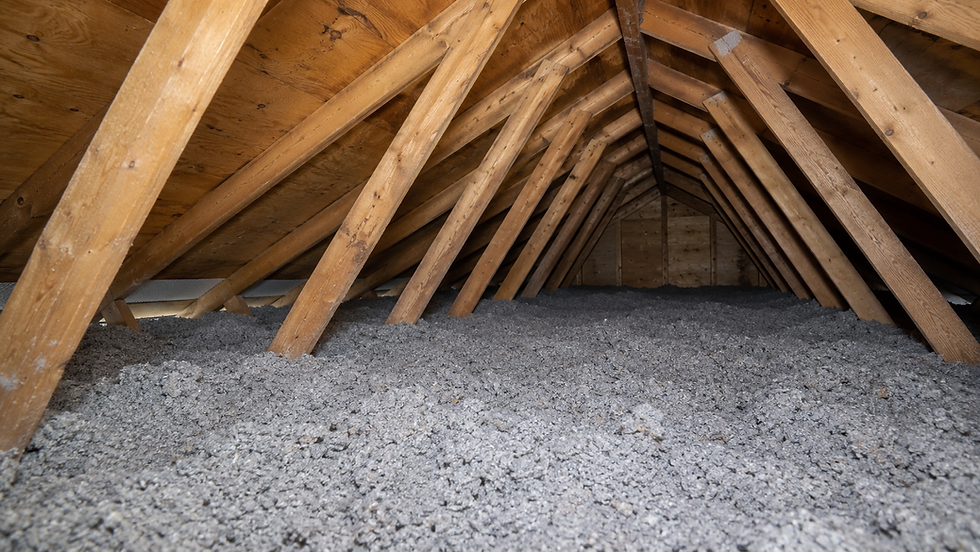
Fiberglass or mineral wool batts may work well in accessible stud or joist cavities when combined with proper air-sealing details. Blown-in insulation can be appropriate in certain enclosed ceiling cavities, but it is not a universal answer for every garage condition.
The goal is to match the insulation to the assembly—not to choose a product first and force it into every location.
What Does Not Work Well
Some common quick fixes do not solve the actual problem. Adding a portable heater without improving insulation does not stop heat loss. Hanging thin reflective material on garage walls rarely addresses serious drafts. Stuffing batts around wiring and pipes without air sealing can leave the assembly leaky.
Insulating the garage walls while ignoring a cold, poorly sealed ceiling below a bedroom often misses the biggest source of discomfort. The best results come from identifying where heat is actually being lost and addressing that area properly.
Is Garage Insulation Worth It?
For many Ottawa homeowners, yes—especially when there is finished living space above or beside the garage.
Garage insulation can help reduce cold floors, improve room temperatures, make a garage more comfortable for occasional use, and protect the home from one of its most obvious weak points. It may also help reduce sound transmission and provide better separation between the garage and living areas.
But the return depends on the goal. If you want a heated workshop, you may need a more comprehensive plan that includes insulation, air sealing, heating, ventilation, and safe electrical planning. If your only concern is a freezing bedroom above the garage, the work can often be more targeted.
Contact Spray-Tech Insulation to book a free garage insulation estimate in Ottawa or the surrounding area. We can inspect the ceiling, shared walls, rim joists, and other problem areas to recommend a practical solution that fits your home.


Comments