


Rim Joist Insulation Ottawa: The Most Overlooked Energy Upgrade
If your basement is cold, your floors feel chilly, or you notice a draft around the perimeter of the house, the problem may be hiding in an area most homeowners never think about: the rim joist.
Rim joists are one of the most common sources of air leakage and heat loss in Ottawa homes. They are small compared with an attic or exterior wall, but because they run around much of the home’s perimeter, they can have an outsized impact on comfort.
What Is a Rim Joist?
The rim joist is the band of framing that sits on top of the foundation wall and closes off the ends of the floor joists.
In an unfinished basement, you can usually see it near the ceiling, running along the exterior walls. It is the area between the top of the foundation and the main-floor framing. In many older homes, it has little insulation, poorly installed batt insulation, or obvious gaps around pipes, wires, and framing. Because this area is close to the outdoors and often full of penetrations, it can be a major air-leakage point.
Natural Resources Canada also identifies the joist header, or rim joist, as an area that is particularly prone to air leakage and should be properly sealed and insulated during a basement retrofit. See NRCan’s basement insulation guidance.

Why Rim Joists Cause Cold Floors and Drafts
The rim joist sits at a tricky location in the house. It connects the foundation, exterior walls, floor system, and basement. That means cold outdoor air can find its way through gaps in several directions.
When the rim joist is under-insulated or poorly sealed, homeowners may notice:
Cold floors above the basement.
Drafts along baseboards or around the perimeter of rooms.
A basement that feels colder than the rest of the home.
Higher heating costs.
Condensation or musty smells near the rim area.
Uneven temperatures between the main floor and basement.
This is particularly common in older Ottawa homes, where the original construction may not have included a continuous air barrier or enough insulation in this area.
Why Batt Insulation Is Often Not Enough
Fiberglass batts can provide insulation value, but they do not automatically stop air movement.
If batts are loosely stuffed into the rim-joist cavities without proper air sealing, cold outdoor air can still move around or behind them. The insulation may look present, but the assembly can still leak badly.
Natural Resources Canada notes that glass and mineral fibre insulation are poor air-sealing products when they are simply stuffed into cracks and gaps. Air leaks should be sealed with appropriate air-sealing materials and techniques.
That is one reason closed-cell spray foam is often used for rim joist insulation. It can insulate, air seal, and provide moisture resistance in a single application when installed at the correct thickness. It also conforms to irregular cavities and seals around many small gaps that are difficult to address with batt insulation alone.
Why Spray Foam Is Commonly Used for Rim Joists
Rim joists are usually shallow, irregular, and full of obstructions. Spray foam works well in those conditions because it expands into gaps and adheres to the surrounding framing and foundation surfaces.
Closed-cell spray foam is often selected because it offers a high R-value per inch and can help with air sealing and moisture resistance. In a tight space, that combination can be especially useful.
NRCan specifically notes that polyurethane spray foam installed by a qualified contractor can provide strong air sealing and insulation in joist header spaces. For a broader look at where spray foam fits within a home, visit Spray-Tech’s spray foam insulation service page.
That does not mean spray foam is automatically the only solution. In some homes, rigid foam combined with careful air sealing can work well. The best choice depends on access, moisture conditions, budget, future renovation plans, and the rest of the wall assembly.
Moisture Needs to Be Addressed First
A rim joist insulation project should always start with an inspection. If there are signs of bulk water entry, active foundation leaks, rot, insect damage, or major condensation, those issues should be addressed before insulation is installed.
Insulation is not a fix for water intrusion. Covering up a wet or damaged area can make it harder to monitor and repair later.
A reputable contractor should take the time to identify whether the rim joist is simply under-insulated or whether it is part of a larger moisture problem.
A Small Upgrade With a Noticeable Difference
One reason homeowners like rim joist insulation is that it can deliver a meaningful comfort improvement without a whole-house renovation.
Unlike a full basement finishing project, rim joist work is often concentrated around the perimeter of the basement. In many cases, it can be completed with relatively limited disruption. Homeowners often notice warmer floors and fewer drafts after the work is complete, particularly in rooms above an unfinished basement or crawl space.
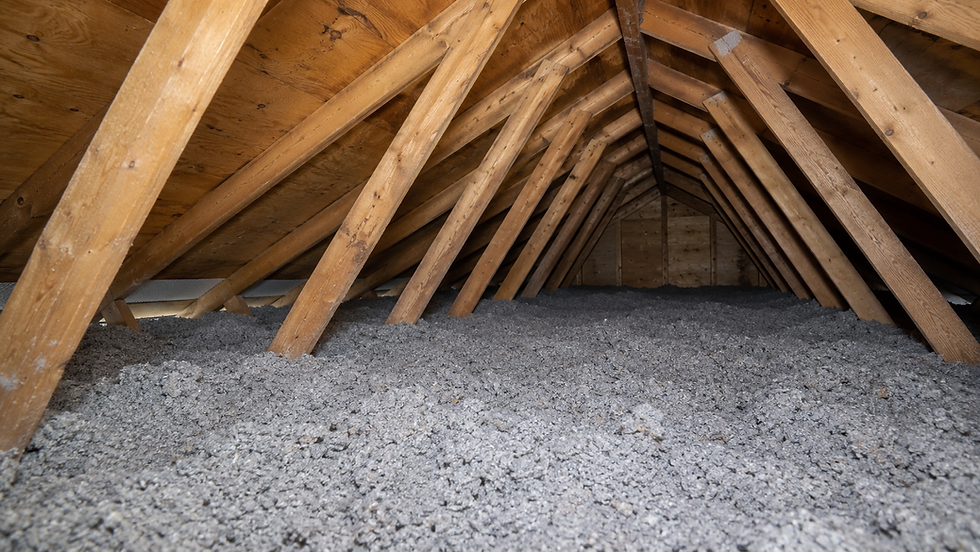
The improvement can also support the overall performance of other insulation upgrades. For example, adding attic insulation helps reduce heat loss at the top of the home, while sealing the rim joist helps close a major leakage route near the bottom.
When Should You Have Your Rim Joists Checked?
Consider a rim joist inspection if:
Your floors feel cold near exterior walls.
Your basement is drafty or uncomfortable.
You can see exposed, uninsulated rim cavities.
Existing batt insulation looks loose, dirty, damp, or poorly fitted.
You are finishing your basement.
You are upgrading your attic and want to improve whole-home comfort.
You are experiencing high heating bills despite having a reasonably insulated attic.
Rim Joist Insulation in Ottawa
For Ottawa-area homes, rim joist insulation is often one of those upgrades that gets overlooked simply because it is out of sight. But it can make a real difference in how the house feels.
Contact Spray-Tech Insulation to book a free estimate for rim joist insulation in Ottawa and surrounding communities. We can inspect the area, identify air leakage and moisture concerns, and recommend the right insulation approach for your home. Request your free estimate.


Comments