


Blown-In Insulation Ottawa: A Complete Guide for Homeowners
If your upstairs is cold in winter, too warm in summer, or your heating bills keep climbing, your attic insulation may be part of the problem. For many homeowners in Ottawa and Eastern Ontario, blown-in insulation is one of the most practical ways to improve comfort without opening walls or taking on a major renovation.
Blown-in insulation is commonly used in attics because it can cover large areas quickly, fill around framing and obstructions, and add the depth needed to improve R-value. It is not the right product for every part of every home, but in the right attic, it can be one of the highest-value upgrades available.
What Is Blown-In Insulation?
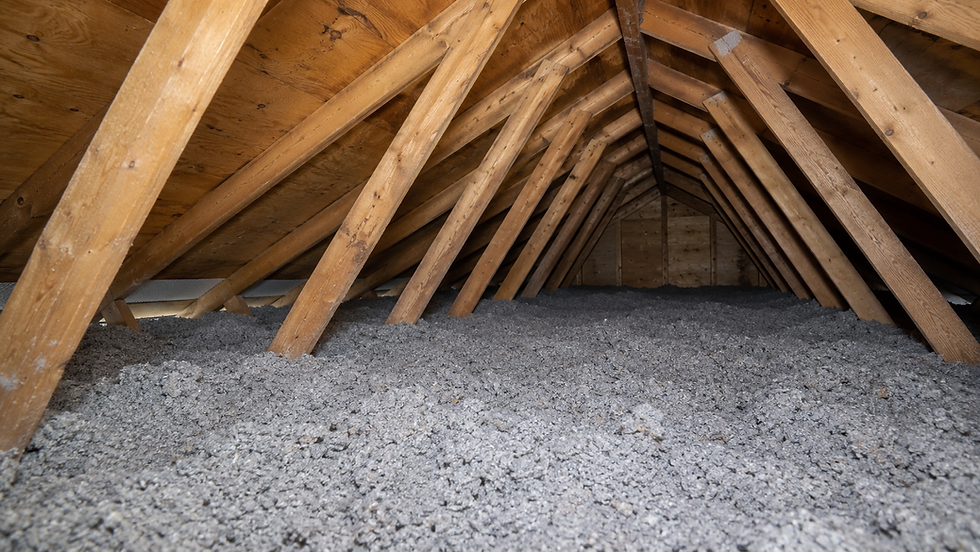
Think of blown-in insulation as a loose, even blanket laid across the attic floor. Instead of installing pre-cut batt insulation between framing members, a trained installer uses a blowing machine and hose to distribute loose insulation across the attic. The material settles around joists, wiring, plumbing penetrations, and other awkward areas that are difficult to cover evenly with batts.
The two most common blown-in products are:
Fiberglass, which is lightweight, non-combustible, and commonly used for attic top-ups.
Cellulose, which is usually made from recycled paper fibres treated for fire and pest resistance.
Both can be effective. The best option depends on your attic, existing insulation, target R-value, ventilation details, and budget.

Why It Works Well in Ottawa Homes
Ottawa homes face a long heating season, cold winters, humid summers, and major temperature swings. Heat naturally moves toward colder areas, which means warm indoor air is constantly trying to escape through an under-insulated attic during winter.
Modern Ontario benchmarks commonly point to attic performance around R-60 in Ottawa’s climate zone for new construction. Older homes may have only R-20 or R-30 in the attic, and some have far less in thin spots near eaves, around attic hatches, or over additions. Adding blown-in insulation can help create a more consistent thermal layer across the attic floor. That can reduce heat loss, help rooms feel more even, and reduce the workload on your heating and cooling equipment.
Is Your Attic a Good Candidate?
A blown-in top-up is often a good fit when the attic already contains insulation that is dry, clean, and still in reasonable condition.
You may be a strong candidate if:
Your attic insulation is visibly shallow or uneven.
You can see ceiling joists easily across much of the attic.
Your second floor feels cold in winter or overly hot in summer.
You notice uneven snow melt, recurring ice dams, or frost in the attic.
Your attic has old fiberglass batts or loose fill that simply needs more depth.
Your home has not had an attic insulation upgrade in many years.
A proper inspection matters before adding anything. An installer should check for roof leaks, moisture staining, mold, rodent contamination, inadequate ventilation, and major air leaks. Natural Resources Canada recommends checking existing attic insulation for condition, depth and coverage before upgrading it. Adding more insulation over a problem does not fix the problem—it can make future repairs harder.
Air Sealing Comes First
More insulation is helpful, but it works best after major attic air leaks are addressed.
Warm indoor air can escape through gaps around attic hatches, plumbing stacks, electrical boxes, pot lights, wiring holes, and open framing transitions. In winter, that warm, moist air can reach cold attic surfaces and contribute to condensation, frost, and ice damming.
Before blowing in new insulation, a good contractor should identify and seal the major leakage points that are accessible. This gives the new insulation a better chance to perform the way it should. NRCan emphasizes air sealing when upgrading an attic.
A useful way to think about it: insulation slows heat flow, while air sealing stops conditioned air from slipping through holes. You generally want both.
Blown-In Insulation vs. Spray Foam
Homeowners often ask whether blown-in insulation or spray foam is the better choice. The honest answer is that they serve different purposes.
Blown-in insulation is usually a strong choice for open attic floors where the main goal is adding depth and improving overall R-value. It is cost-effective, fast to install, and can help bring an attic closer to the R-60 benchmark commonly used for current Ontario construction. For more detail on attic R-values, see our guide to what R-value Ottawa attics actually need.
Spray foam is often more appropriate in targeted areas where air sealing, moisture resistance, or higher R-value per inch is needed. Common examples include rim joists, shallow roof cavities, awkward transitions, and basement walls. Some homes benefit from both: targeted spray foam in hard-to-seal areas and blown-in insulation across the larger attic floor.
The right choice depends on the area being insulated, not just the product being advertised.

What Affects the Cost?
The cost of blown-in insulation in Ottawa depends on more than the square footage of your attic.
A quote may be affected by:
The current insulation level and the amount of new material required.
The attic’s size, access, and layout.
Whether old insulation needs to be removed.
Air sealing work required before installation.
Ventilation baffles or attic-hatch upgrades.
The insulation material selected.
Whether the attic includes storage platforms, knee walls, cathedral sections, or difficult areas to reach.
In a straightforward attic, a top-up can often be completed in a day. More complicated attics may take longer, especially when moisture repairs, air sealing, or access improvements are needed first.
Rebates May Help Lower the Cost
Ontario homeowners may qualify for insulation rebates through the Home Renovation Savings Program, depending on the home, current insulation level, contractor participation, and chosen rebate path. Eligibility and funding can change, so homeowners should confirm current requirements before starting work.
The Bottom Line
Blown-in insulation is not flashy, but it is one of the most effective upgrades available for many Ottawa homes. It can improve comfort, reduce heat loss, support better attic performance, and help bring an older home closer to modern insulation levels without a disruptive renovation.
If your attic has not been inspected or upgraded in years, Spray-Tech Insulation can assess your current insulation, identify air leaks and problem areas, and recommend whether a blown-in top-up makes sense. Contact Spray-Tech Insulation to book a free estimate for blown-in insulation in Ottawa, Kanata, Orleans, Barrhaven, Nepean, Stittsville, Cornwall, Almonte, Hawkesbury, or the surrounding area.


Comments