

_edited.png)
How Much Does Spray Foam Insulation Cost in Ottawa? (2026)

"How much does spray foam insulation cost in Ottawa?" is usually the first question homeowners ask, and that makes perfect sense. Whether you're insulating a basement, garage ceiling, exterior wall, or addition, you want to know what kind of investment you're looking at before committing. The challenge is that spray foam pricing in Ottawa can vary significantly depending on the details of the job — so the most useful answer is not one single number. It's an explanation of what drives the cost and how to think about value.
Factor 1: How Much Area Are You Insulating?
The most basic driver of cost is simply the size of the area. A small rim-joist job, crawl-space detail, or localized repair will cost much less than insulating a full basement perimeter or a whole set of exterior walls during a renovation. Pricing is usually tied closely to square footage and thickness, so the total cost rises as the area increases and as the required foam depth increases.
Factor 2: Open-Cell vs Closed-Cell — The Product Affects the Price
Open-cell spray foam generally costs less per inch than closed-cell but also delivers less R-value per inch and does not provide the same moisture resistance. Closed-cell tends to be the more common choice in Ottawa basements, rim joists, and areas where space is tight and moisture control matters. Open-cell may be considered in some interior or specialty applications where thickness is available and the assembly is designed for it.
Factor 3: How Much R-Value Do You Need?
Thickness and performance go hand in hand. Homeowners in Ottawa are often trying to improve comfort in areas that are dramatically under-insulated compared with modern expectations. Ontario-focused references commonly describe benchmark values around R-60 for attic spaces, R-22 for above-grade exterior walls, and around R-20 for basement walls in common compliance packages. If your existing home is far below those levels — especially in the basement or an addition — getting closer to current standards may require a more substantial insulation package and therefore a higher price.
Factor 4: How Easy Is the Space to Access?
Access can quietly add a lot to a quote. An unfinished basement with open walls is usually more straightforward than a cramped crawl space or a complicated renovation with difficult access, existing finishes, or obstructions. If the crew must work around wiring, plumbing, low clearance, or partial demolition, the labour portion of the job can increase. The same goes for sloped ceilings, cathedral spaces, and awkward additions where careful prep is needed.
Factor 5: What Prep Work Has to Happen First?
Preparation is the unglamorous cost driver that is easy to forget. Spray foam needs clean, suitable surfaces and the work area must be ready before spraying begins. If there is old insulation that must be removed, signs of moisture that must be addressed, or framing corrections that need to happen first, those items affect the final cost. In a basement, there is no point insulating over active water entry or obvious moisture damage. A proper quote will account for those conditions rather than ignore them.
Why Spray Foam Seems More Expensive — But May Not Be
On paper, spray foam can look pricey compared with batts — but the comparison is not apples to apples. Closed-cell spray foam often performs several jobs at once: insulation, air sealing, and vapour control in certain applications when installed to the proper thickness. If you compare that to a batt system that still needs framing, separate air sealing, vapour barrier, and careful detailing, the price gap may not be as wide as it first appears. The cheapest line item is not always the most economical assembly.
When the Higher Cost Is Worth It
Ottawa homeowners often choose spray foam in spaces where comfort and durability are just as important as energy savings. A cold basement office, a drafty floor over a garage, or an addition that never feels warm enough in January are all situations where spray foam can produce results that are hard to match with simpler products. When the right problem is being solved, the higher cost is easier to justify.
How 2026 Rebates Can Reduce Your Spray Foam Investment
Ontario homeowners can still access incentives through the Home Renovation Savings Program and related efficiency pathways for eligible insulation upgrades, especially when bundled with additional efficiency measures and completed within program rules. Current summaries describe rebate opportunities ranging from targeted support for attic work to combined rebate amounts of up to roughly $7,700 for insulation-related upgrades in qualifying scenarios. Not every spray-foam project will qualify the same way, but these programs can meaningfully reduce the net cost of a larger upgrade plan.
You Don't Need Spray Foam Everywhere — A Smarter Approach
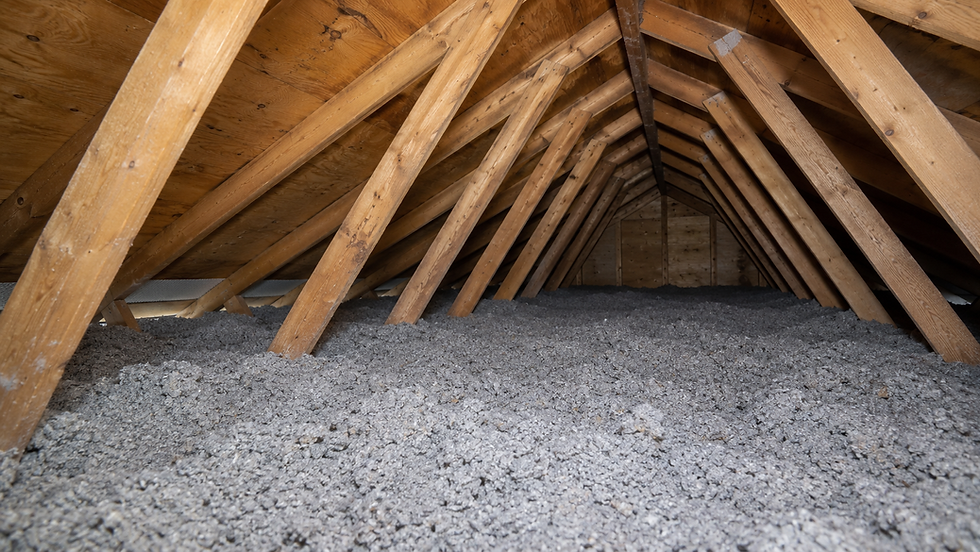
It is worth remembering that not every part of the house needs spray foam. In many Ottawa homes, the best strategy is a mix of insulation systems: closed-cell spray foam for basement walls or rim joists, blown-in insulation in the attic toward the common R-60 target, and batt or mineral wool in low-risk areas. That kind of approach often gives the best balance of price and performance.
Watch Out for Quotes That Seem Too Good to Be True
Homeowners should be cautious about quotes that seem dramatically lower than everything else. Spray foam jobs require proper material, trained labour, prep work, and a realistic scope. If a quote is suspiciously cheap, ask what is being left out. Are they using less thickness than needed? Skipping prep? Quoting only part of the space? Clear written details are important because otherwise it becomes hard to compare one estimate to another.
So What Will Your Ottawa Spray Foam Project Cost?
The honest answer is that spray foam insulation cost in Ottawa in 2026 depends on the area, the product, the thickness, the site conditions, and your goals. Smaller targeted jobs may stay relatively manageable, while full basement, addition, or whole-house packages can be a much bigger investment. The good news is that a detailed site visit usually answers those questions quickly and turns a vague online estimate into a real plan.
Frequently Asked Questions.
Q: How much does spray foam insulation cost per square foot in Ottawa?
A: Spray foam insulation pricing in Ottawa varies based on product type, thickness, and site conditions. Closed-cell foam costs more per inch than open-cell but delivers higher R-value and moisture resistance. Rather than quoting a per-square-foot rate that may not reflect your actual project, a site visit is the most reliable way to get an accurate number for your specific space.
Q: Is spray foam insulation worth the cost in Ottawa?
A: In the right application, yes. Ottawa's long heating season and cold winters mean that a high-performing, air-sealed building envelope pays back over time through lower heating costs and improved comfort. The best applications tend to be basements, rim joists, and tight wall cavities where closed-cell foam delivers insulation, air sealing, and moisture resistance in one product.
Q: What insulation rebates are available in Ottawa in 2026?
A: Ontario homeowners can access rebates through the Home Renovation Savings Program for qualifying insulation upgrades. Combined rebate amounts for insulation-related work can reach up to approximately $7,700 under certain pathways when upgrades are bundled. An energy assessment is typically required for larger rebate amounts. Ask about this when booking your estimate.
Q: How much does it cost to spray foam a basement in Ottawa?
A: Basement spray foam costs in Ottawa depend on the size of the space, the product used (open-cell vs closed-cell), whether existing insulation needs to be removed, and how accessible the walls and rim joists are. A full basement perimeter is a larger investment than a targeted rim-joist job. A free on-site estimate is the best way to get an accurate number for your specific basement.
Q: Why is spray foam insulation so much more expensive than fiberglass?
A: The higher cost reflects specialized materials, equipment, and certified labour. Unlike fiberglass batts, spray foam requires precise mixing ratios, controlled application conditions, and trained installers. However, because it can combine insulation, air sealing, and vapour resistance in one product, the total system cost compared to a multi-layer batt assembly is often closer than it first appears.


Comments